
Extruded Tee Manufacturing Process Recovery
Turn an unpredictable hot-forming process into repeatable commercial production of extruded pipeline outlets and split tees.
Engineering Case Study 002
- Industry
- Pipeline Fitting Manufacturing
- Role
- Executive Operations Consultant
- Location
- Houston, Texas
- Product
- Extruded Outlets & Split Tees
- Engagement
- Manufacturing Process Development
- Focus
- Process Recovery & Scale-Up
The Situation
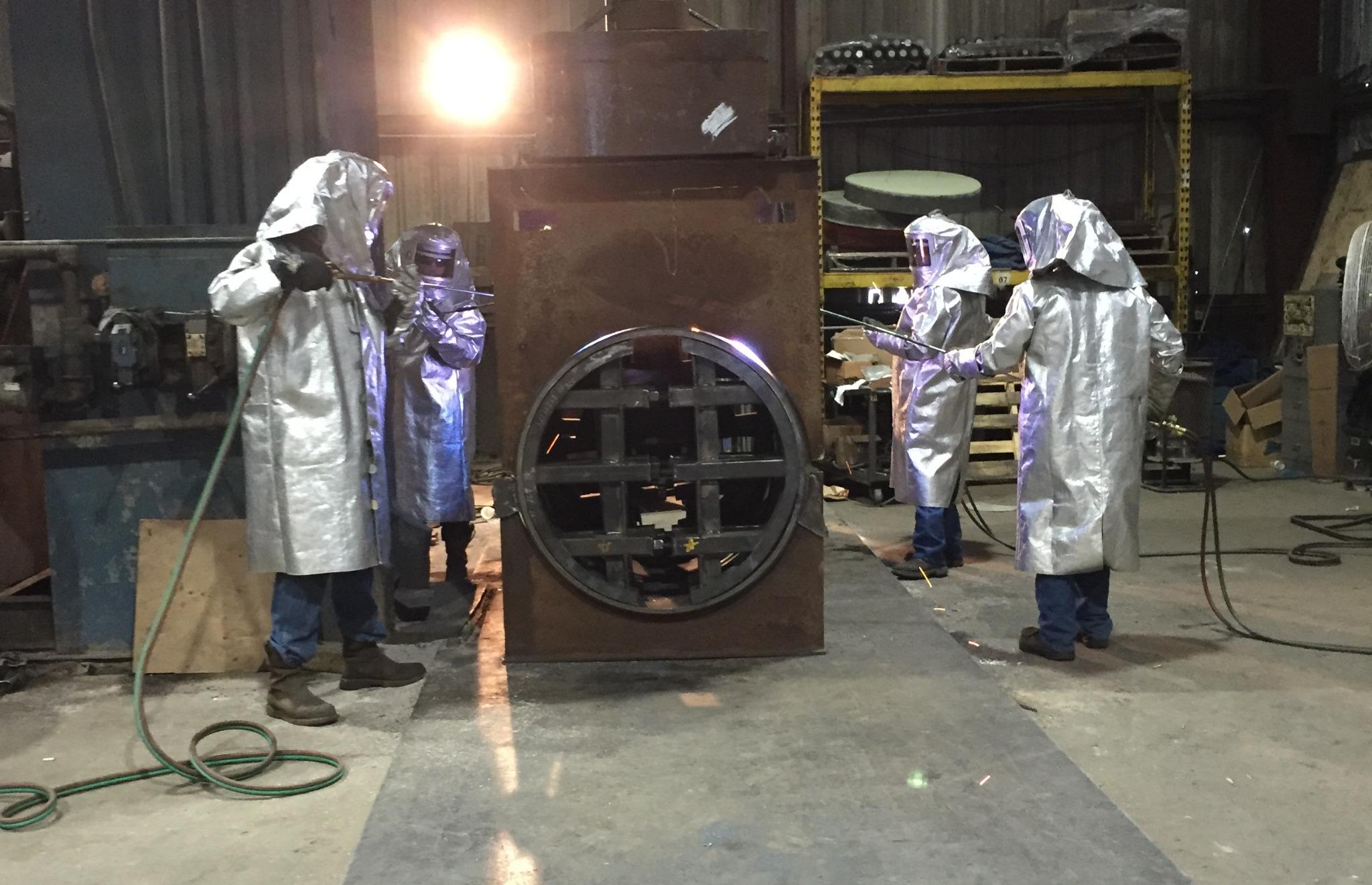
In 2013, a Houston-area manufacturer possessed some of the equipment and experience required to produce extruded pipeline outlets and split tees, but the manufacturing process was not dependable enough to support consistent carbon-steel production.
The market opportunity was clear. Independent hot-tapping companies needed an additional source of extruded fittings because several established fitting suppliers also competed as hot-tapping contractors. The objective was initially to bring new sales into the operation by serving a market I already knew.
The starting point was difficult: aging and unreliable presses and machine tools, no manufacturing drawings, no documented procedures, limited inspection capability, few cooperative experienced employees, and a supplier base that was reluctant to extend support. Carbon-steel split-tee production had largely been abandoned because dimensional results were too unpredictable to consistently meet quality requirements.
The Investigation — Understanding How the Steel Moved
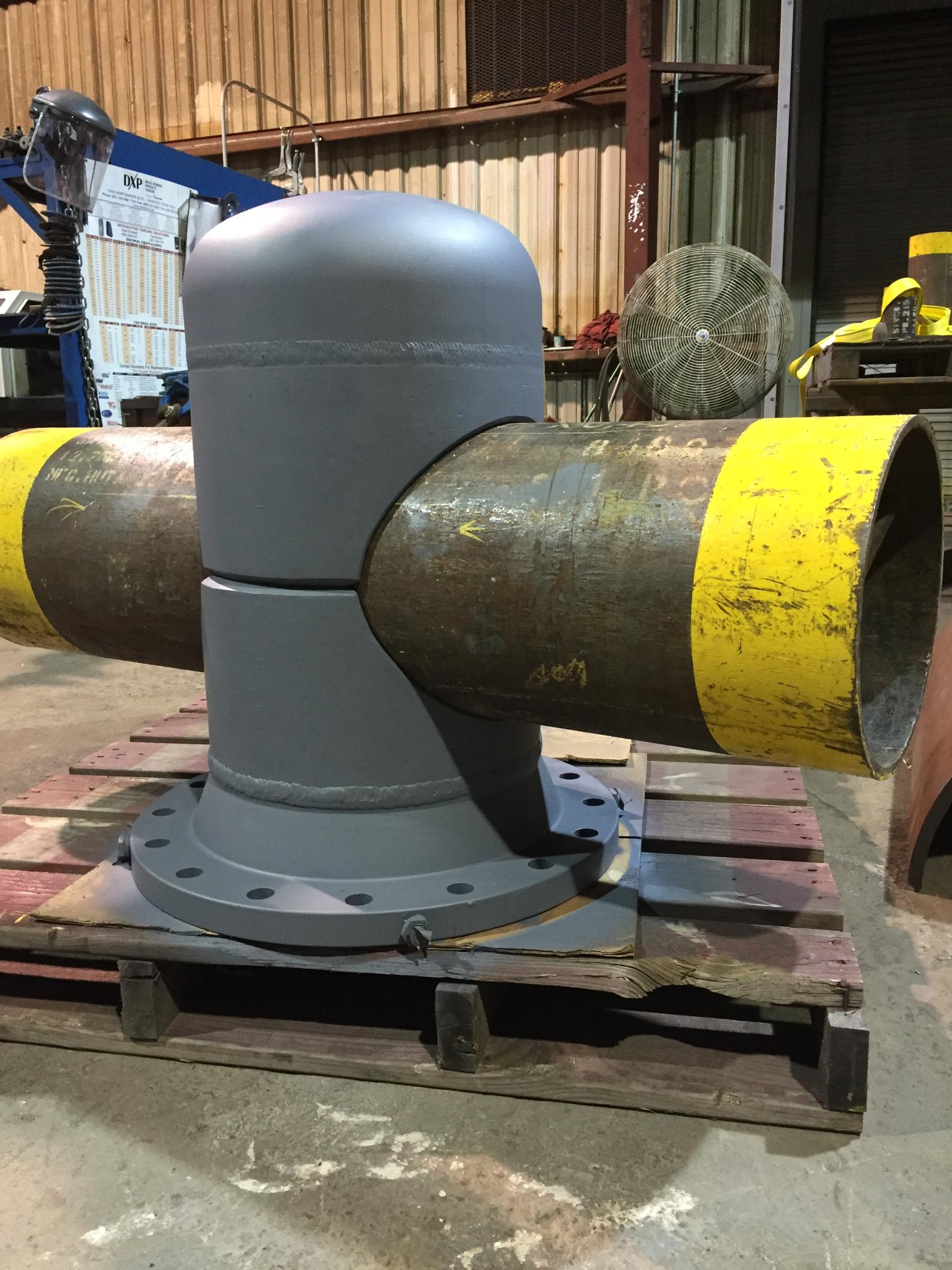
The product required an outlet to be formed directly from a steel cylinder. An elliptical opening was laid out and cut, the surrounding steel was heated to temperatures approaching 2,000°F, and the branch was progressively drawn through increasingly larger dies.
Because the workpiece was externally unsupported during forming, the steel moved substantially. The material could stretch or tear, wall thickness could fall below the calculated minimum, and large branches could distort by as much as approximately 1.5 inches between the major axes. Final fit to the pipeline was critical.
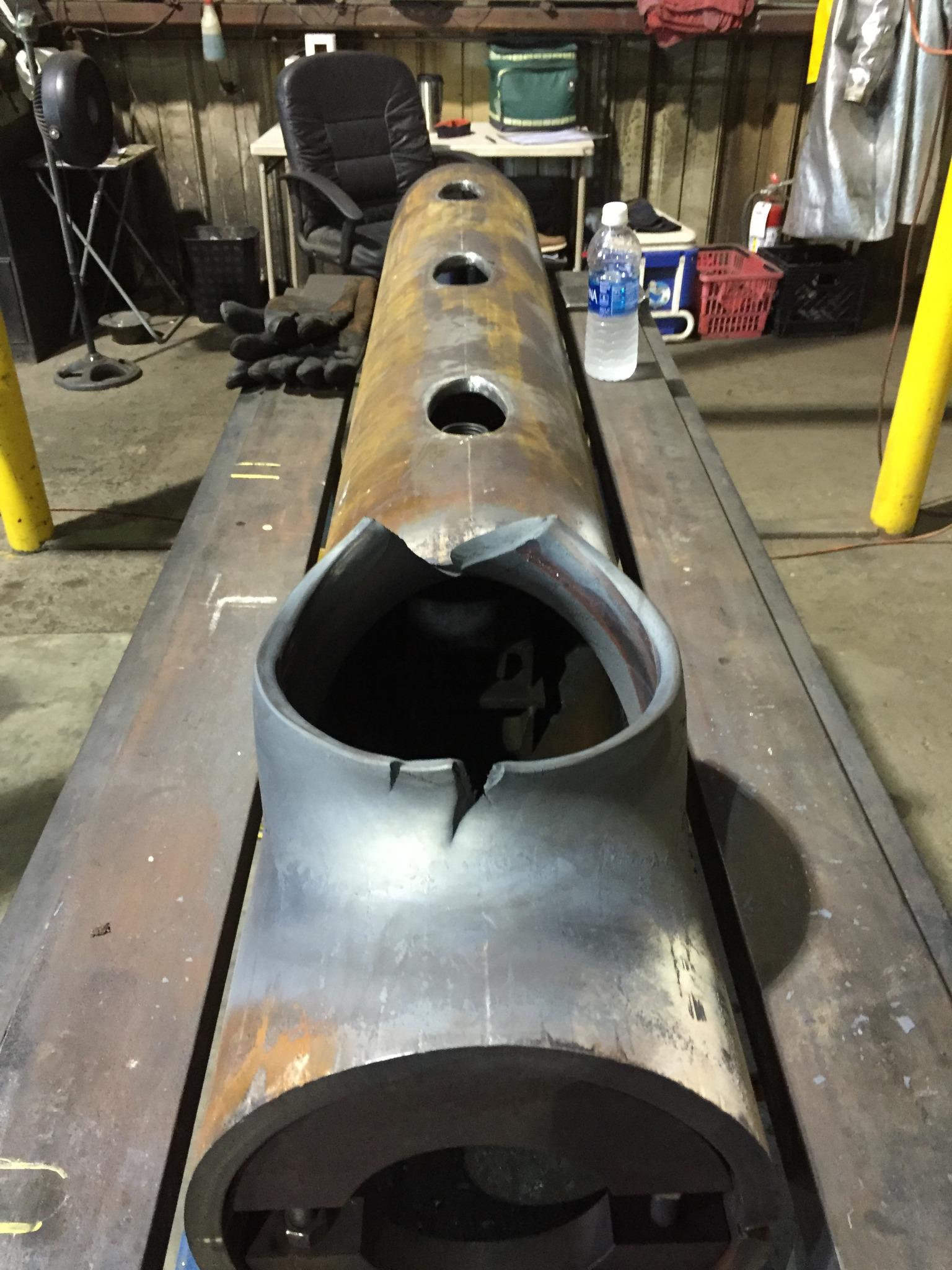
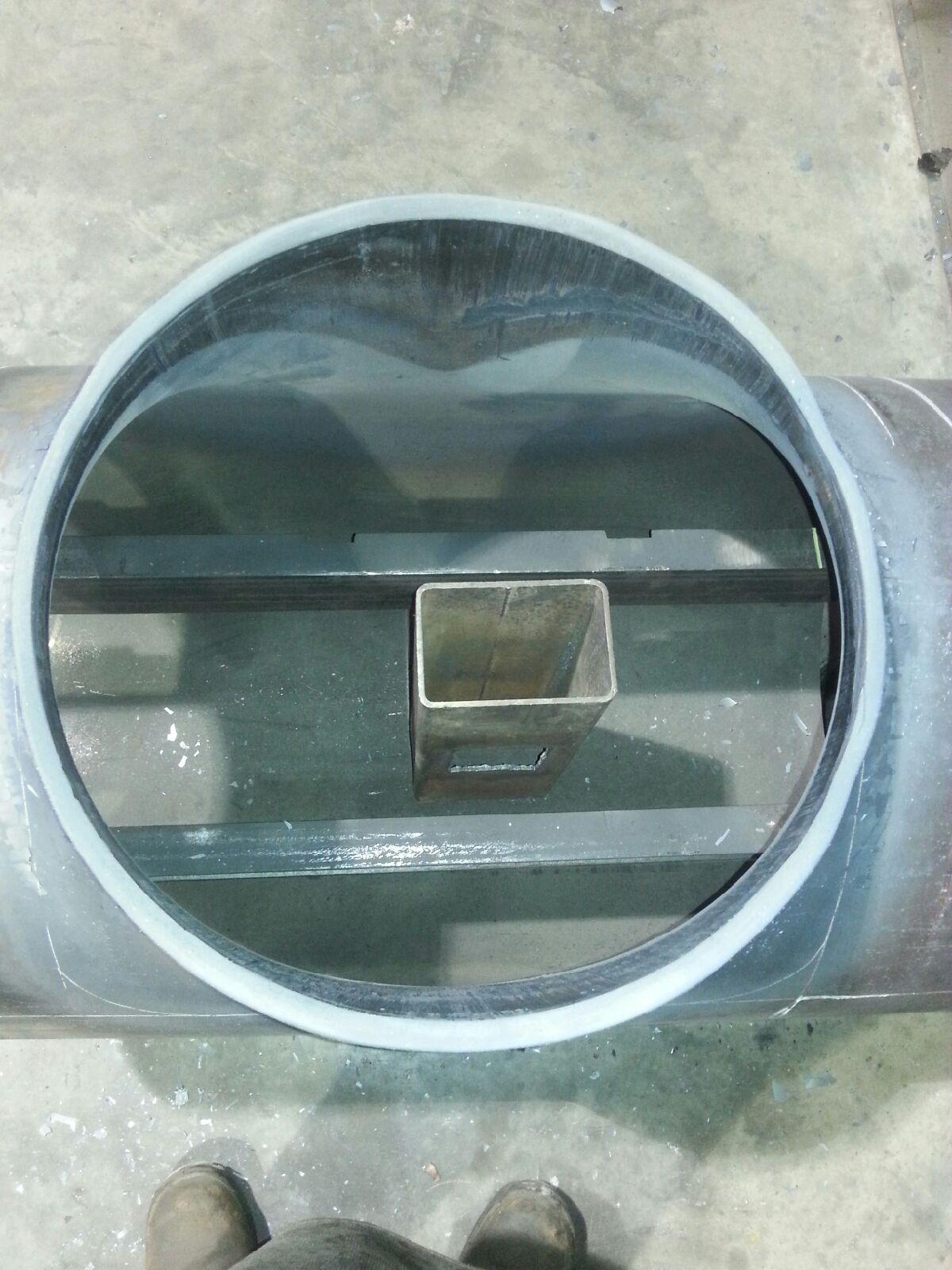
The most important variables proved to be heat balance, die geometry, starting wall thickness and material orientation. The process had to anticipate where the steel would finish after forming and cooling—not simply control its shape during the pull.
Engineering Principle
The breakthrough was learning to predict the movement of the steel: how it would stretch, thin, distort and finally settle after cooling. The tooling then had to be designed around that behavior.
- Branch-wall thinning below the engineered minimum
- Severe out-of-round condition in large-diameter branches
- Poor fit to gauge pipe and final pipeline geometry
- Scrap when starting geometry or wall thickness was misjudged
The Solution — Turning Practical Knowledge into a Controlled Process
A repeatable forming method was developed through progressive trials, careful control of heating and specially shaped dies designed to compensate for predictable material movement.
Rather than forcing the hot steel into the desired final geometry, the tooling was shaped to anticipate the distortion that would occur during forming and cooling. Progressive dies were used as branch size increased, and the process was adjusted for wall thickness and fitting size.
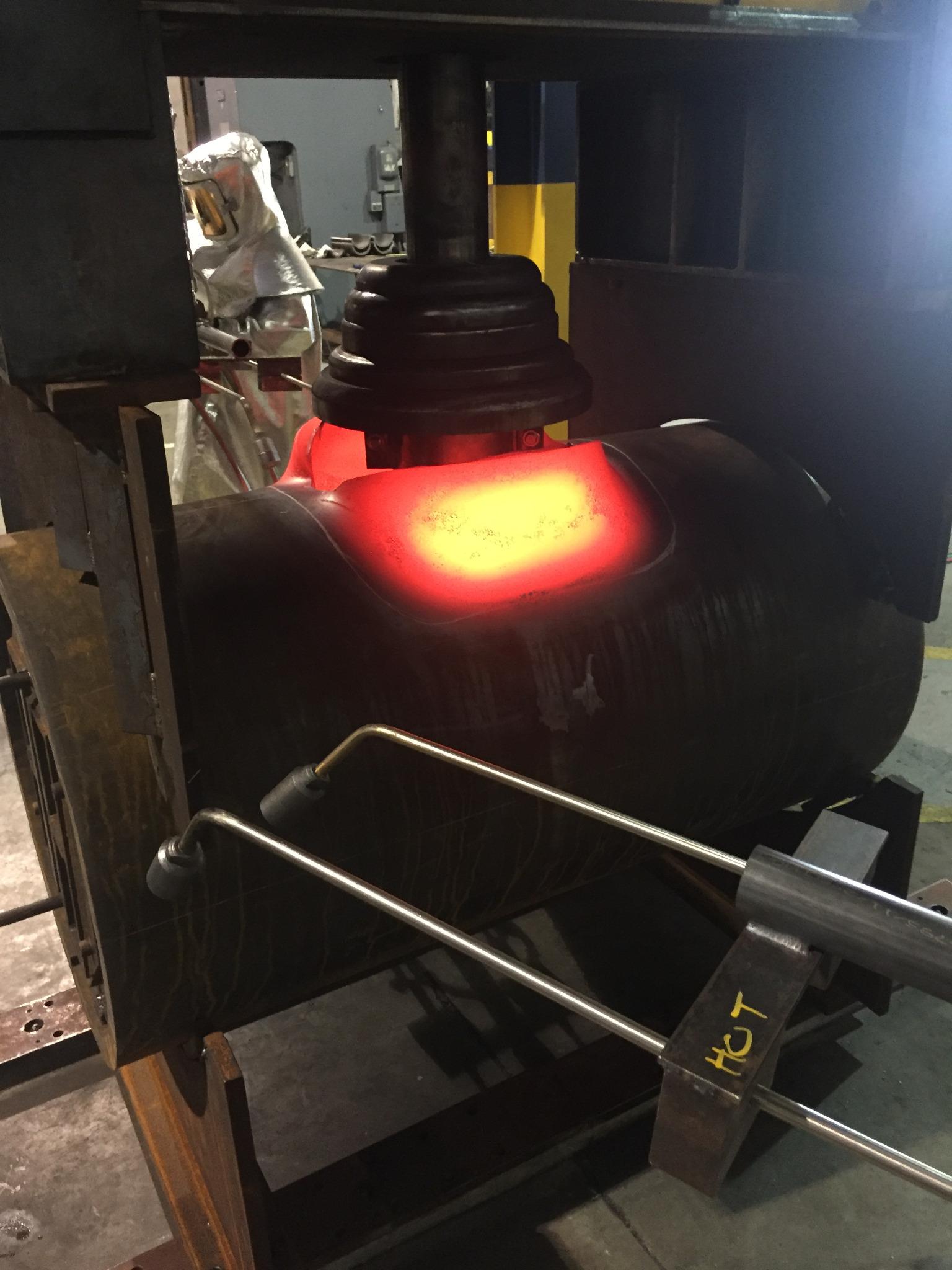
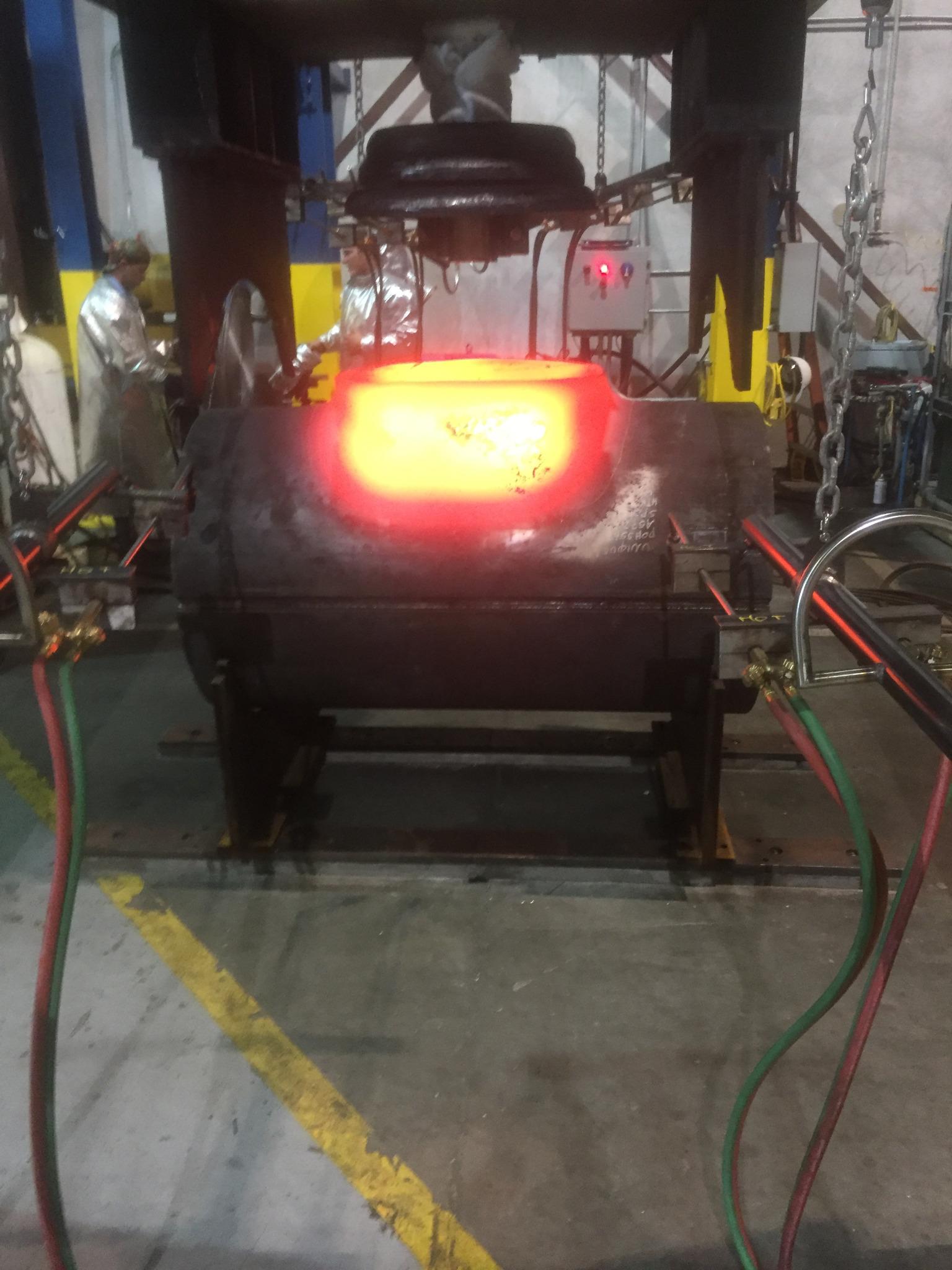
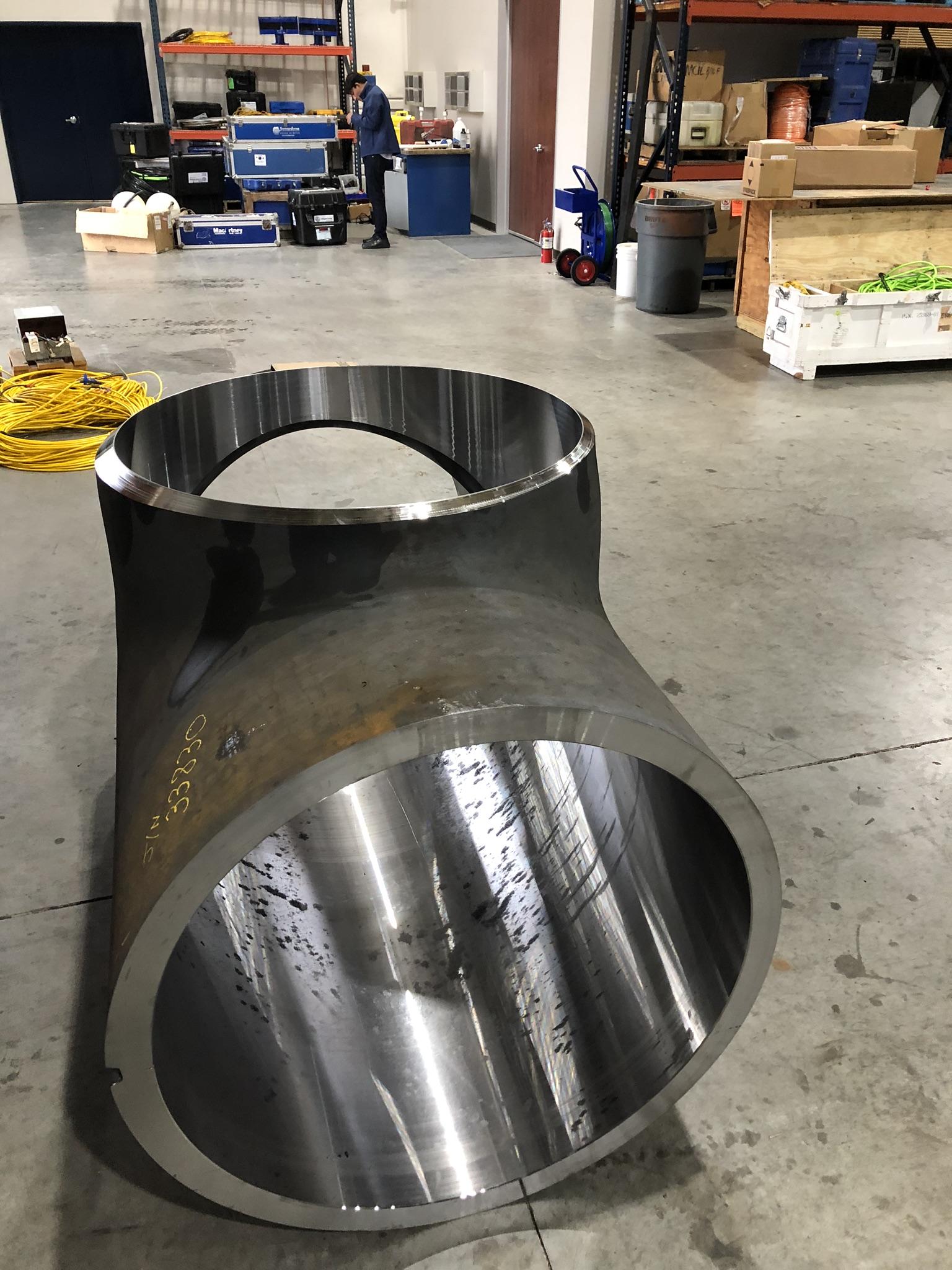
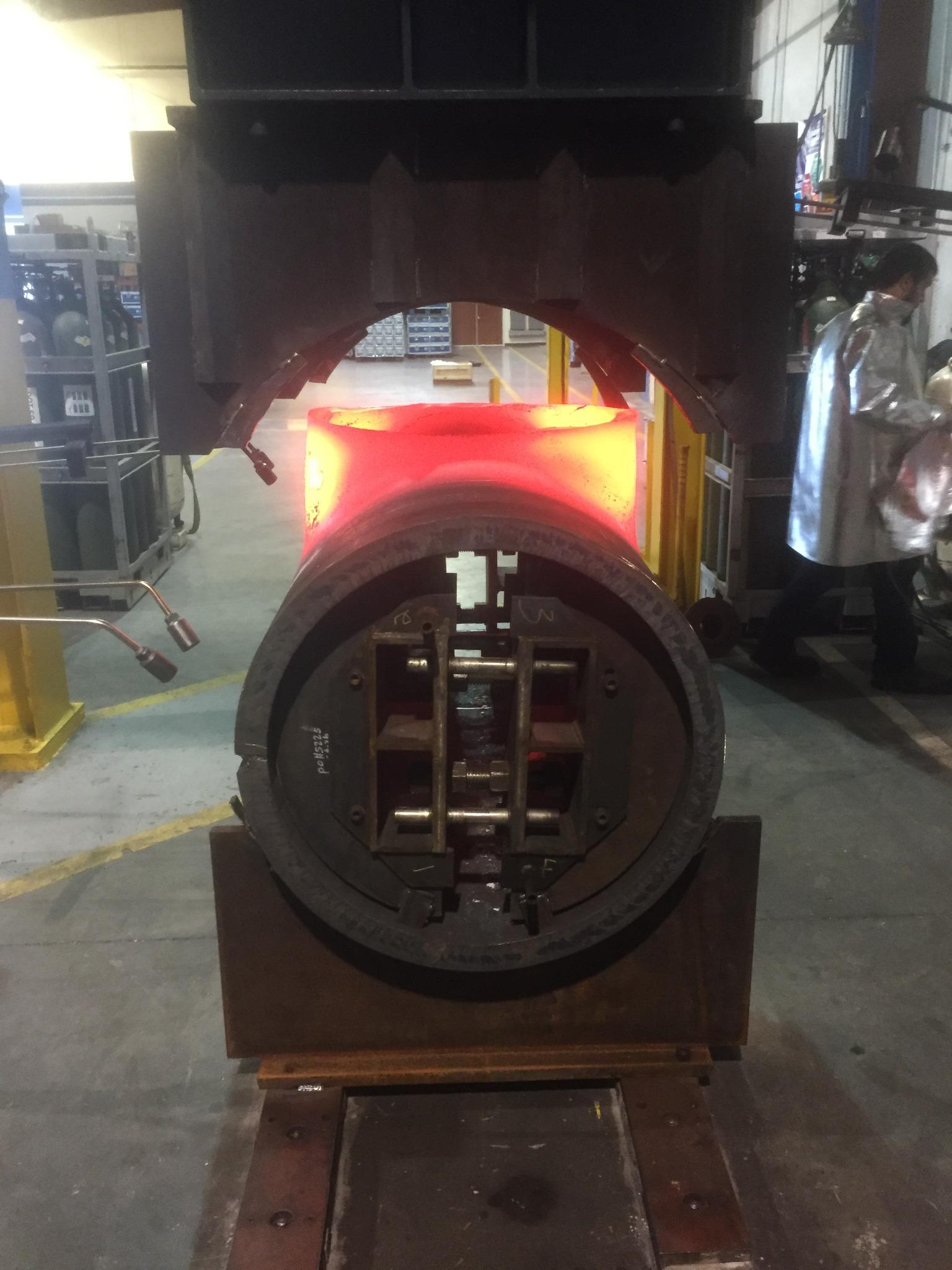
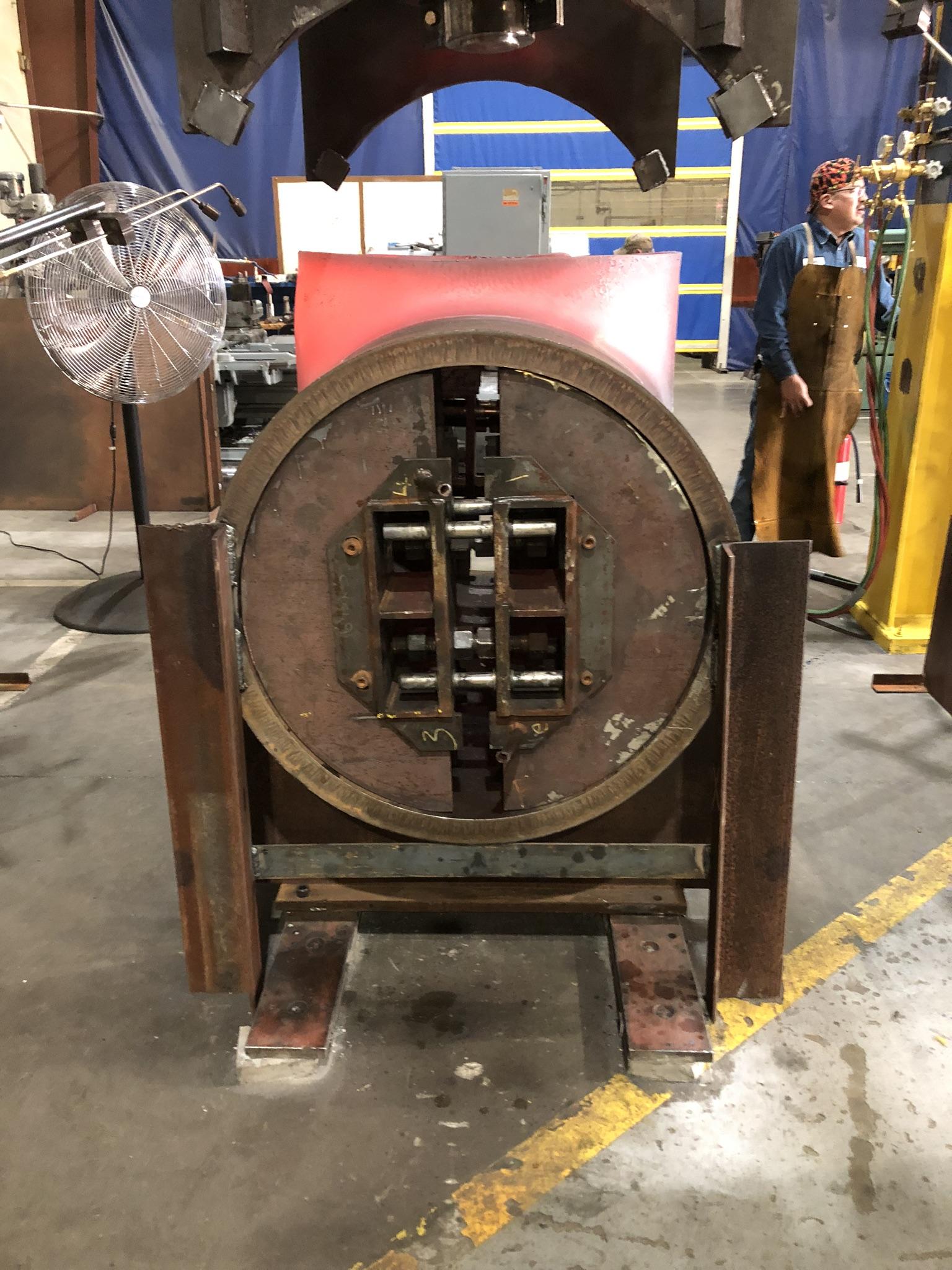
With the process stabilized, the recurring dimensional scrap problem was effectively eliminated and carbon-steel extruded fitting production became commercially dependable.
- Process
- Repeatable
- Geometry
- Controlled
- Production
- Commercially dependable
Results
| Performance measure | Starting point | Result |
|---|---|---|
| Carbon-steel split-tee production | Largely abandoned | Restored to dependable production |
| Manufacturing documentation | No drawings or procedures | Repeatable process and tooling method established |
| Large-branch roundness | Up to ~1.5 in. major-axis variation | Controlled sufficiently for final machining and fit-up |
| Recurring dimensional scrap | Frequent process-related scrap | Effectively eliminated |
| Product range | Limited / inconsistent | Extruded outlets and split tees across broad size range |
| Market position | Little meaningful sales activity | New independent supply source for hot-tapping market |
Relevance to Industrial Manufacturing
The central challenge was not simply applying force to hot steel. It was understanding how the material would move, thin and distort, then designing the process around that behavior.
This case demonstrates the ability to enter an unstable manufacturing process, identify the physical variables controlling the result, and convert practical process knowledge into repeatable production.