
Composite Mat Manufacturing Process Recovery
A U.S. manufacturer of heavy-duty composite access mats was losing production to dimensional distortion. The recovery corrected the molding process instead of machining the symptom.
Engineering Case Study 23-0125
- Industry
- Composite Access Mat Manufacturing
- Product
- Heavy-Duty Composite Access Mat
- Location
- United States
- Role
- Independent Engineering Executive
- Engagement
- Multi-Year Manufacturing & Engineering Support
- Product Scale
- Approx. 8 ft × 14 ft; ~1,000 lb
The Situation
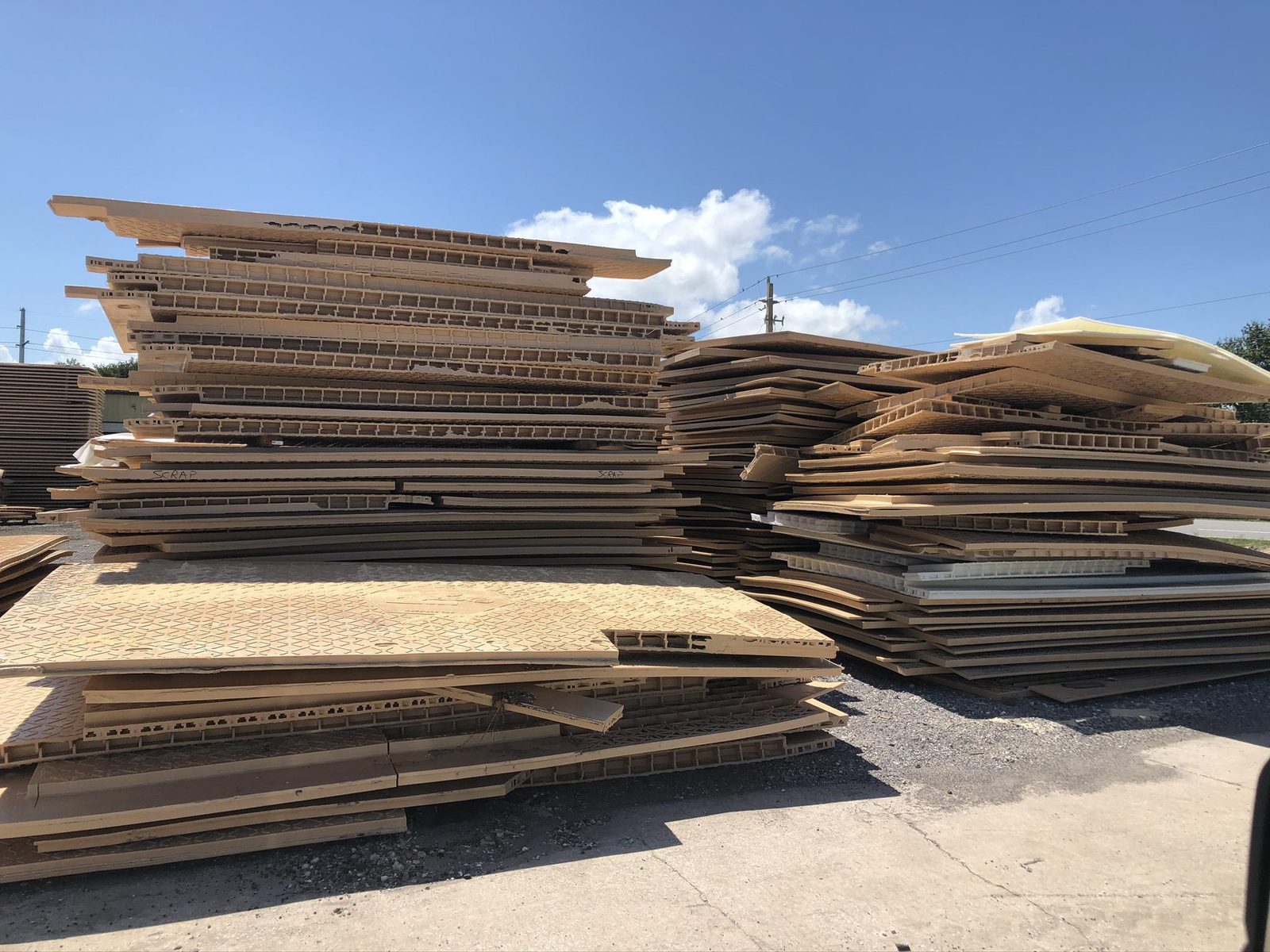
A U.S. manufacturer of heavy-duty composite access mats was experiencing severe production and quality problems. Molded components were dimensionally inconsistent and frequently distorted to the point that downstream assembly could not be completed successfully. Finished-product quality was unacceptable, customer deliveries had effectively stopped, and the operation was experiencing substantial financial losses.
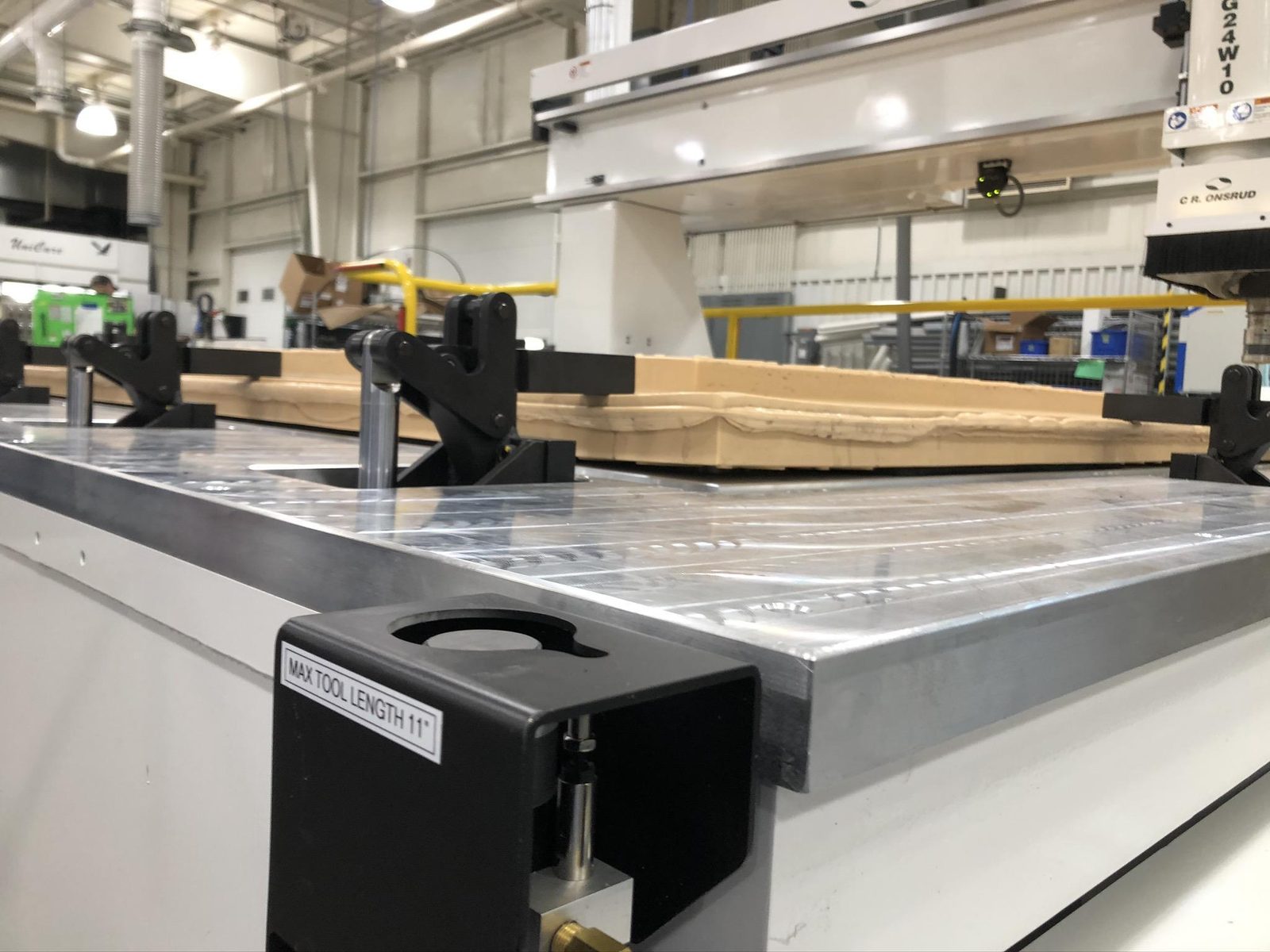
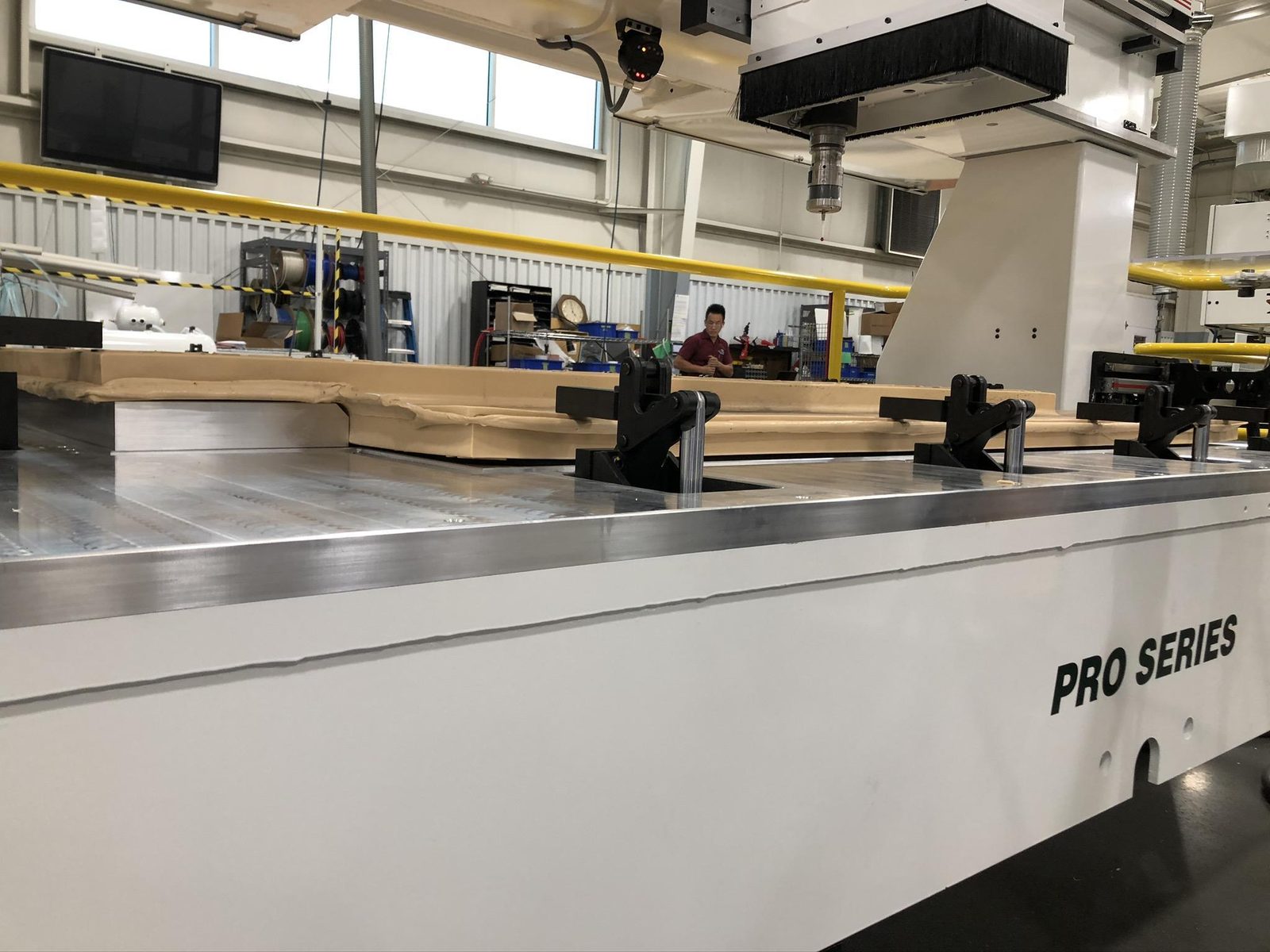
Before the engagement began, management had committed approximately $400,000 to a special-order CNC router intended to correct the dimensional problem after molding. The machine was still being built when the engagement began. The concept was to use pneumatic hold-down cylinders to force a warped mat flat and then machine it to the required geometry.
The Investigation
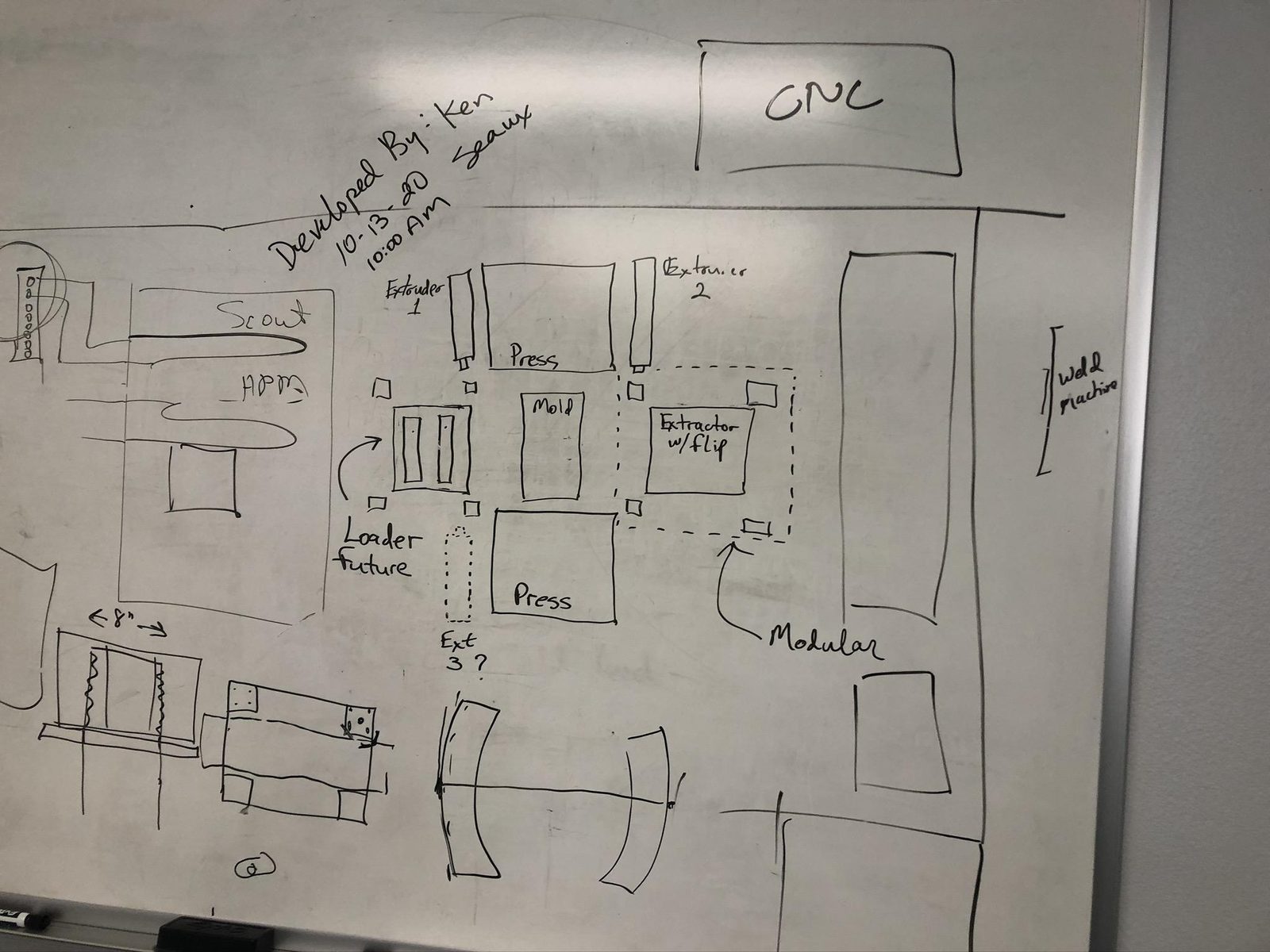
The investigation shifted attention upstream. The dimensional problem was not fundamentally a machining problem; it was being created within the molding process. Several interacting conditions were identified:
- Inconsistent mold temperature control and restricted or unbalanced cooling performance
- Equipment reliability problems and excessive production downtime
- Variation in molding, extraction and material-handling cycle times
- Delays between molding and downstream assembly
- Process interruptions and operating practices that allowed dimensional variation to accumulate
The key conclusion was that the proposed CNC system addressed the symptom — distorted finished parts — but did not correct the manufacturing instability that was creating the distortion.
The $400,000 CNC Router
During Factory Acceptance Testing of the custom router, the limitation of the downstream-correction strategy became visible. The molded mat was sufficiently warped that the pneumatic hold-down cylinders could not force it into a stable, flat machining position. The custom machine never entered production and never machined a production mat.
The Solution
Rather than develop a secondary operation around a defective molding process, the recovery program corrected the causes of dimensional instability at the source. The work included:
- Restoration and stabilization of mold temperature-control systems
- Improvements to cooling-system balance and performance
- Correction of equipment reliability problems
- Improvements to part extraction and material handling
- Development of preventive-maintenance and critical-spares practices
- Reduction of process interruptions and unnecessary labor
- Stabilization of the overall molding cycle and production flow
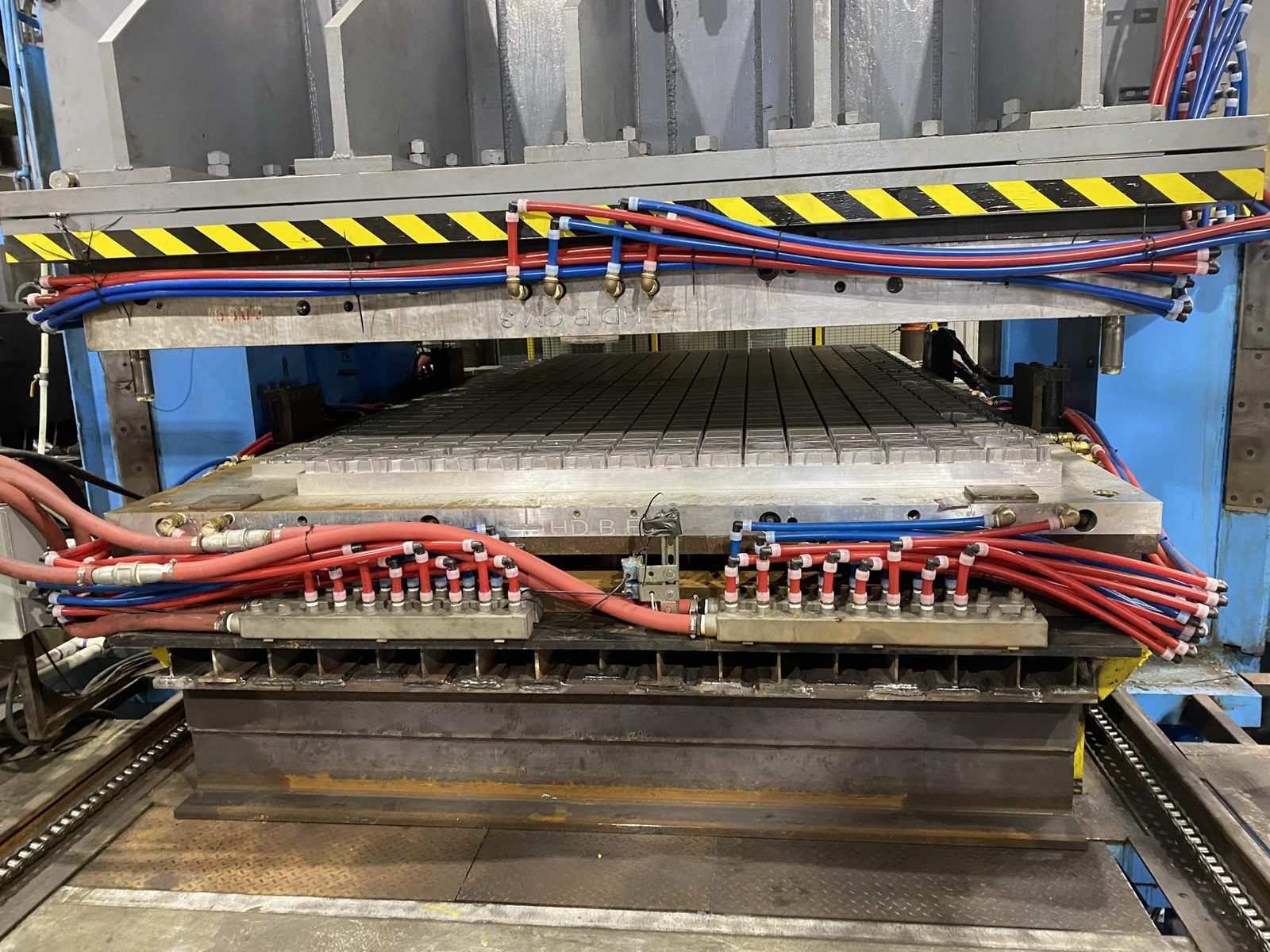
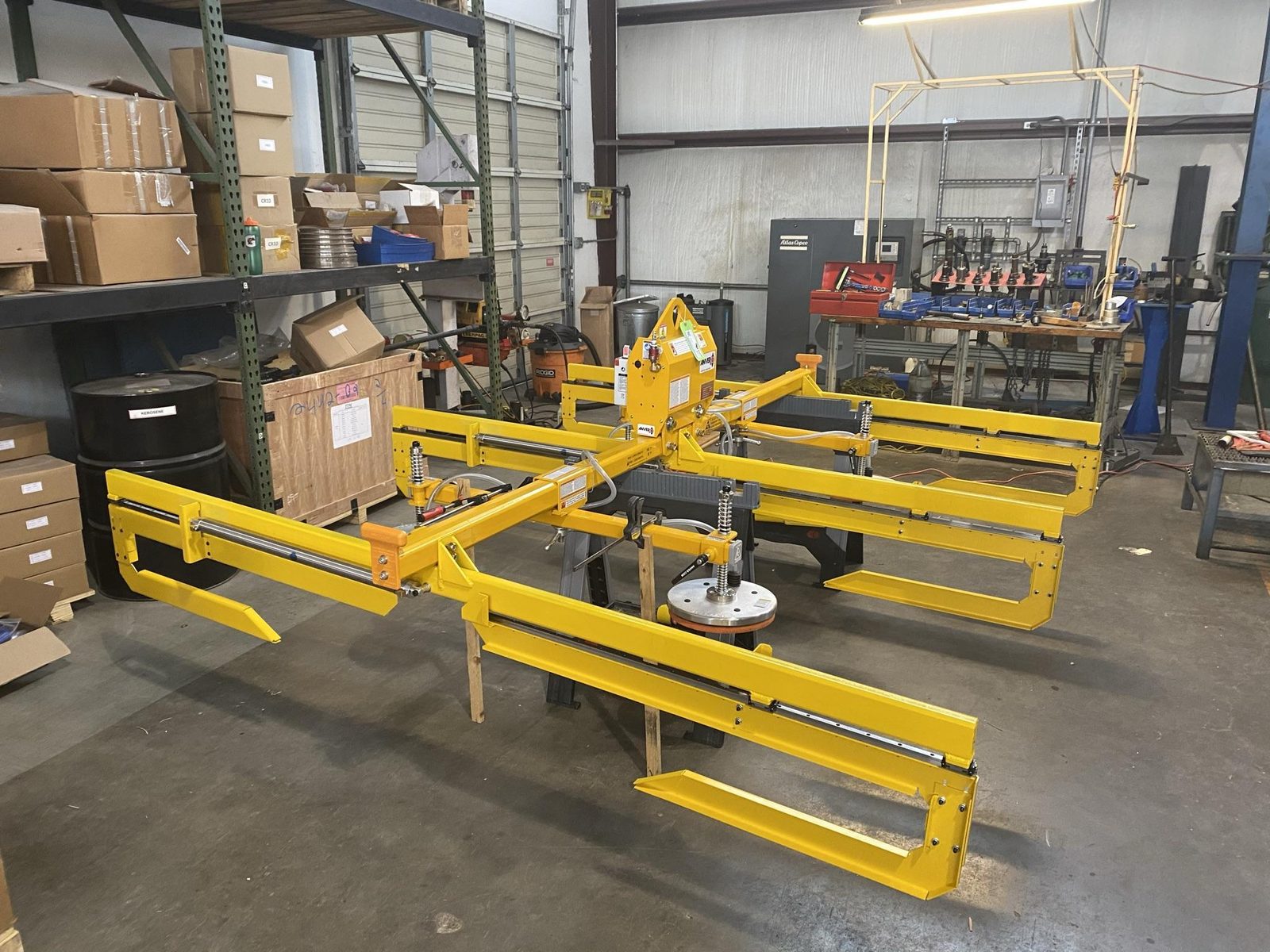
With the molding process stabilized, secondary CNC machining was unnecessary for normal production. The custom router was ultimately returned through a negotiated manufacturer buyback.
Results
| Performance Measure | Before | After |
|---|---|---|
| Manufacturing Downtime | ~25% | ~5% |
| Molding Scrap | ~50% | ~20% |
| Production | ~40–50 mats/day | ~60 mats/day |
| Production Labor | 6 people/shift | 4 people/shift |
| Sustained Production Capability | Unstable | Eventually exceeded 2,000 mats/month |
| Custom CNC Corrective System | ~$400,000; under construction | Never entered production; need eliminated |
Customer shipments resumed, truckload quantities of acceptable product began leaving the facility, and the operation ultimately achieved production levels exceeding 2,000 mats per month.
Why This Case Matters
This case demonstrates the difference between correcting a manufacturing symptom and correcting its cause. A large capital solution had already been commissioned to machine distortion out of the finished product. The process investigation showed that the better answer was to control the material, tooling, heating, cooling, molding, extraction and production flow as an integrated manufacturing system.
Large composite structures are highly process-dependent products. Final dimensions, structural integrity and field performance are influenced by the interaction of those systems. Successful development therefore requires more than designing the product itself: the product and the manufacturing process must be developed together.
Additional technical information and supporting project documentation are available for qualified engagements following appropriate confidentiality arrangements.